Nepal: The Land of Festivals

Nepal, a small, landlocked country nestled in the heart of the Himalayas, is a nation rich in cultural diversity and traditions. One of the most striking aspects of Nepali culture is its vibrant and colorful festivals. With a tapestry of ethnic groups, each with its own unique customs and celebrations, Nepal has rightfully earned its reputation as the “Land of Festivals.” In this article, we will explore the significance of festivals in Nepali life, some of the most celebrated festivals, and what makes Nepal’s festival culture truly special.
Festivals play a central role in the lives of the Nepalese people. They are a way to celebrate and honor the country’s cultural heritage, religious diversity, and the changing seasons. Nepal’s festivals are marked by a deep sense of spirituality, community bonding, and joyous celebrations. They bring people from different walks of life together and provide an opportunity to reconnect with their roots and beliefs.
Key Festivals in Nepal
- Dashain (Vijaya Dashami): Dashain is the most significant and widely celebrated festival in Nepal. It typically falls in September or October and lasts for 15 days. This festival honors the goddess Durga and symbolizes the triumph of good over evil. Families come together to receive tika (a mixture of yogurt, rice, and vermilion) and blessings from their elders. The festival is marked by the flying of kites, the sacrifice of animals, and the exchange of blessings and gifts.
- Tihar (Deepawali): Tihar, also known as the festival of lights, is celebrated in October or November. It is a five-day festival that worships various animals, including crows, dogs, cows, and oxen, as well as the goddess Laxmi, the goddess of wealth. Homes are illuminated with oil lamps, colorful rangoli patterns are created, and the sound of traditional songs and music fills the air. Tihar showcases the deep bond between humans and animals in Nepali culture.

Holi festival being observed (file photo) - Holi: Holi, the festival of colors, is celebrated with great enthusiasm in Nepal, as in many other parts of the Indian subcontinent. It usually falls in March and marks the arrival of spring. People of all ages come together to play with colored powders and water, and the atmosphere is filled with laughter and joy. Holi in Nepal is not just about vibrant colors; it’s also about strengthening bonds and mending relationships.
- Buddha Jayanti: Nepal, the birthplace of Lord Buddha, celebrates Buddha Jayanti in grand style. This festival falls in April or May and commemorates the birth, enlightenment, and death of Siddhartha Gautama, the historical Buddha. Devotees visit Lumbini, where Buddha was born, and other significant Buddhist sites, lighting butter lamps and offering prayers.
- Indra Jatra: Indra Jatra, held in Kathmandu Valley in September, is a vibrant celebration that pays homage to Lord Indra, the god of rain, and to Kumari, the living goddess of Kathmandu. The festival includes the raising of a ceremonial pole (Yosin), a grand procession of deities and chariots, and traditional dances. It’s a colorful spectacle that showcases the cultural richness of the Newar community.
What Makes Nepal’s Festival Culture Special?
- Cultural Diversity: Nepal’s mosaic of ethnic groups and languages leads to a multitude of unique festivals. Each community has its own distinct customs, clothing, and rituals, contributing to the nation’s rich tapestry of celebrations.
- Spiritual Significance: Many festivals in Nepal have deep religious and spiritual roots. They offer an opportunity for devotees to express their faith and devotion, making these festivals not just joyful but deeply meaningful.
- Inclusivity: Nepali festivals are open to all, regardless of caste, creed, or ethnicity. This inclusivity reflects the country’s commitment to pluralism and unity in diversity.
- Community Bonding: Festivals in Nepal are often communal affairs, bringing together families and neighbors in a spirit of togetherness and shared celebration.
Nepal’s festivals are not only a source of joy and celebration but also a reflection of its rich cultural heritage and spiritual depth. As the “Land of Festivals,” Nepal offers a glimpse into a world where tradition and modernity coexist harmoniously, where people of diverse backgrounds come together to celebrate their shared humanity. If you ever have the opportunity to visit Nepal, make sure to plan your trip around one of its many vibrant festivals to truly experience the essence of this remarkable nation.
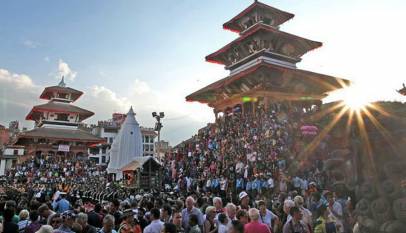
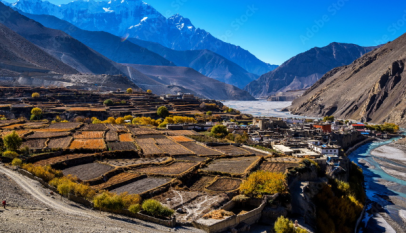
Mustang as international tourist destination
Luring Mustang as one of the top tourist destinations in Nepal involves highlighting its u…
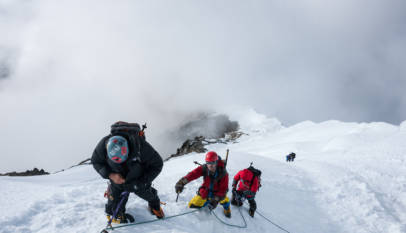
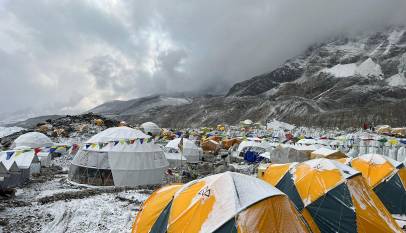
NMA Introduces Revised Curriculum for Professional Mountaineering Training
Kathmandu: The Nepal Mountaineering Association (NMA) has introduced a revised curriculum for its Professional …